
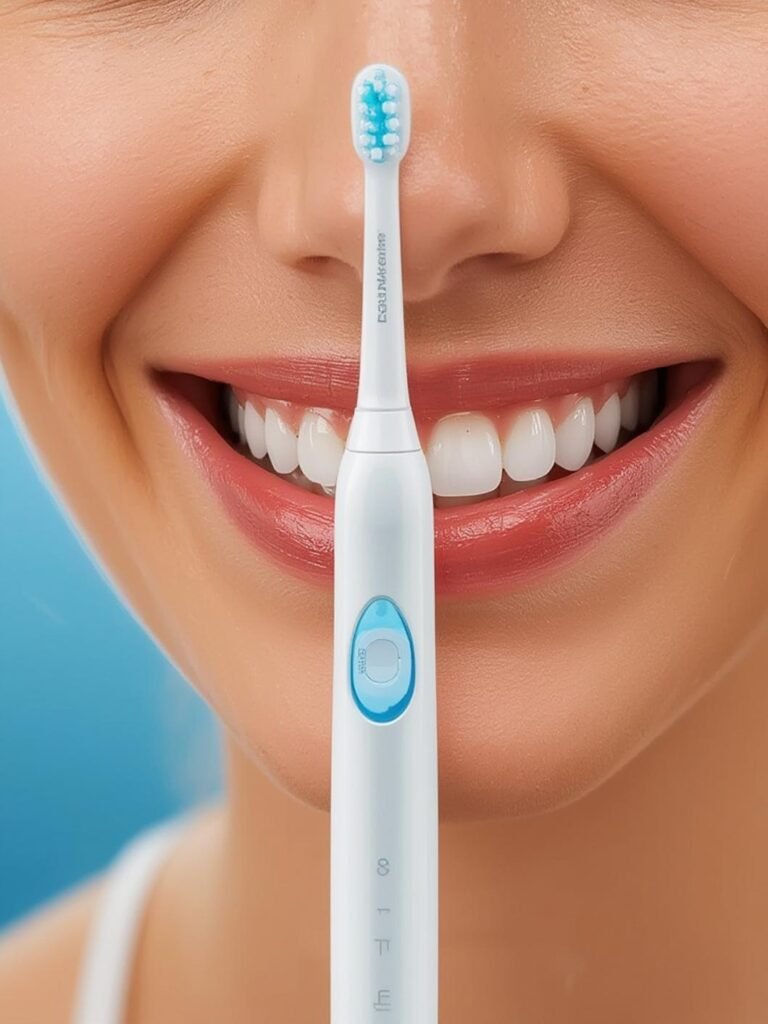
When it comes to maintaining good oral hygiene, especially for those with braces, using the best water flossers for braces and orthodontic flossers can make a significant difference in preventing plaque buildup and gum disease. Performing regular oral care at home is not only valuable for self-care but also boosts confidence in one’s smile. By incorporating these tools into your daily routine, you can ensure a healthier, more radiant smile.

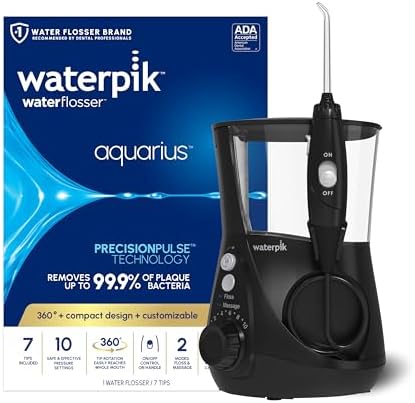
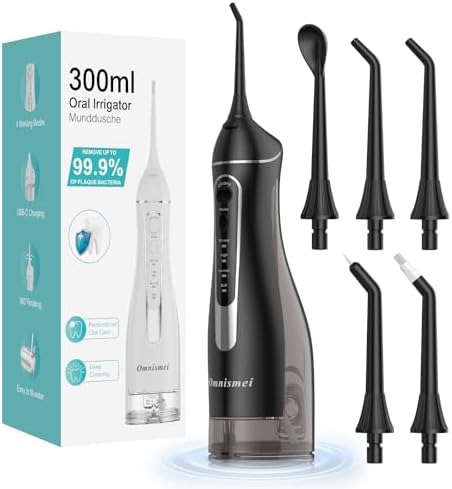
Materials & Supplies
To achieve professional-grade oral care results at home, you’ll need a few essential materials and supplies. These include:
– A primary best water flossers for braces device, which is designed to effectively clean around braces without causing damage.
– Orthodontic flossers, which are specialized for navigating the complex structure of braces to remove food particles and plaque.
– A mouthwash for additional protection against bacteria and to freshen breath.
– A toothbrush and toothpaste for regular brushing.
– Interdental brushes for cleaning between teeth and around the braces.
– A dental mirror for better visibility while flossing and brushing.
Each item plays a crucial role in maintaining good oral hygiene, especially for individuals with braces. The best water flossers for braces and orthodontic flossers are particularly important as they are designed to handle the unique challenges of cleaning around braces.
Preparation & Timing
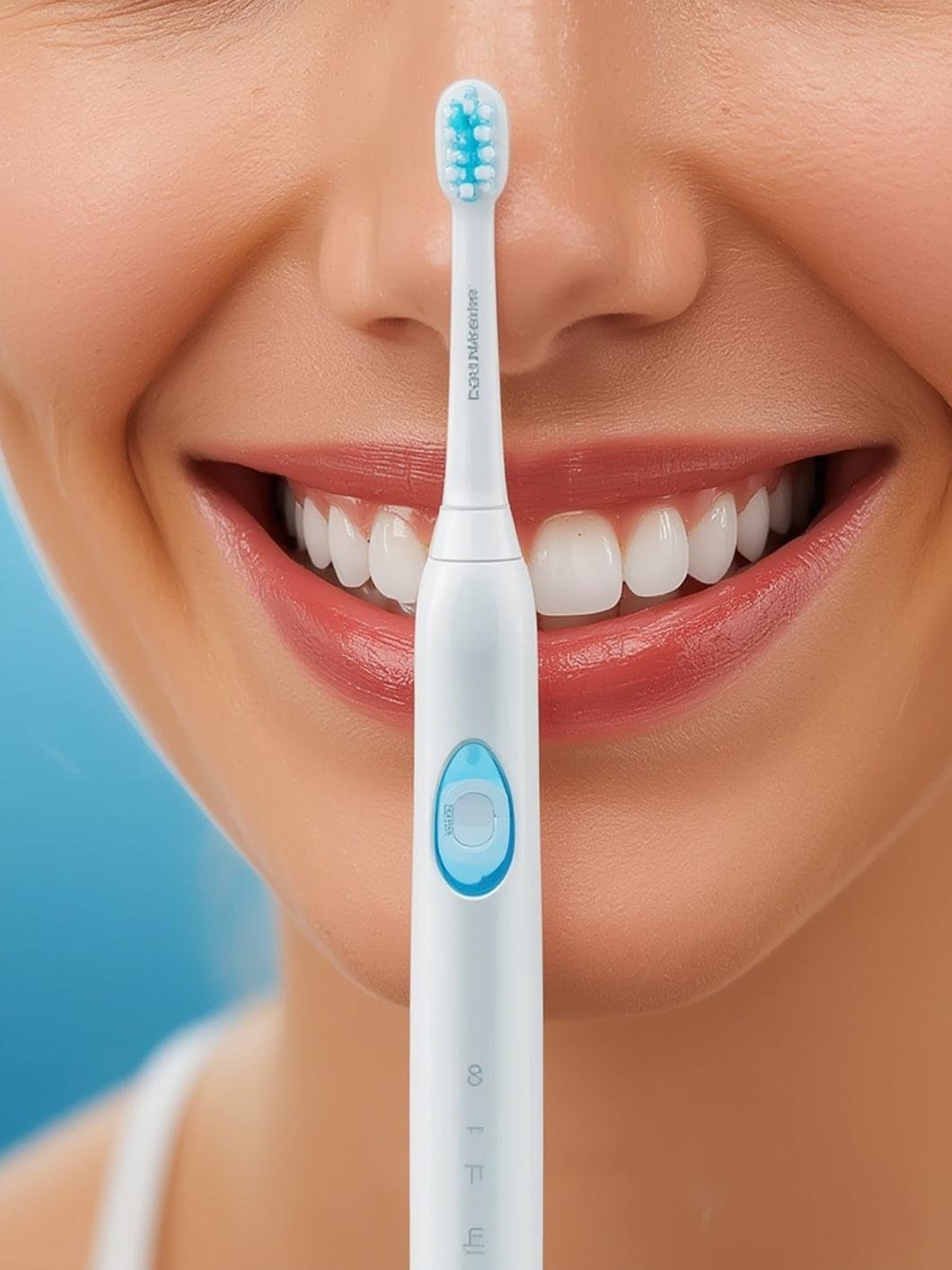
Preparation is key to an effective oral care routine. This involves preparing your mouth (5–10 minutes), the application or treatment process (15–45 minutes), and post-treatment care (5–10 minutes). Planning your routine ensures the best absorption and results. It’s essential to brush your teeth before using a best water flossers for braces or orthodontic flossers to remove loose food particles and plaque.
Step-by-Step Instructions
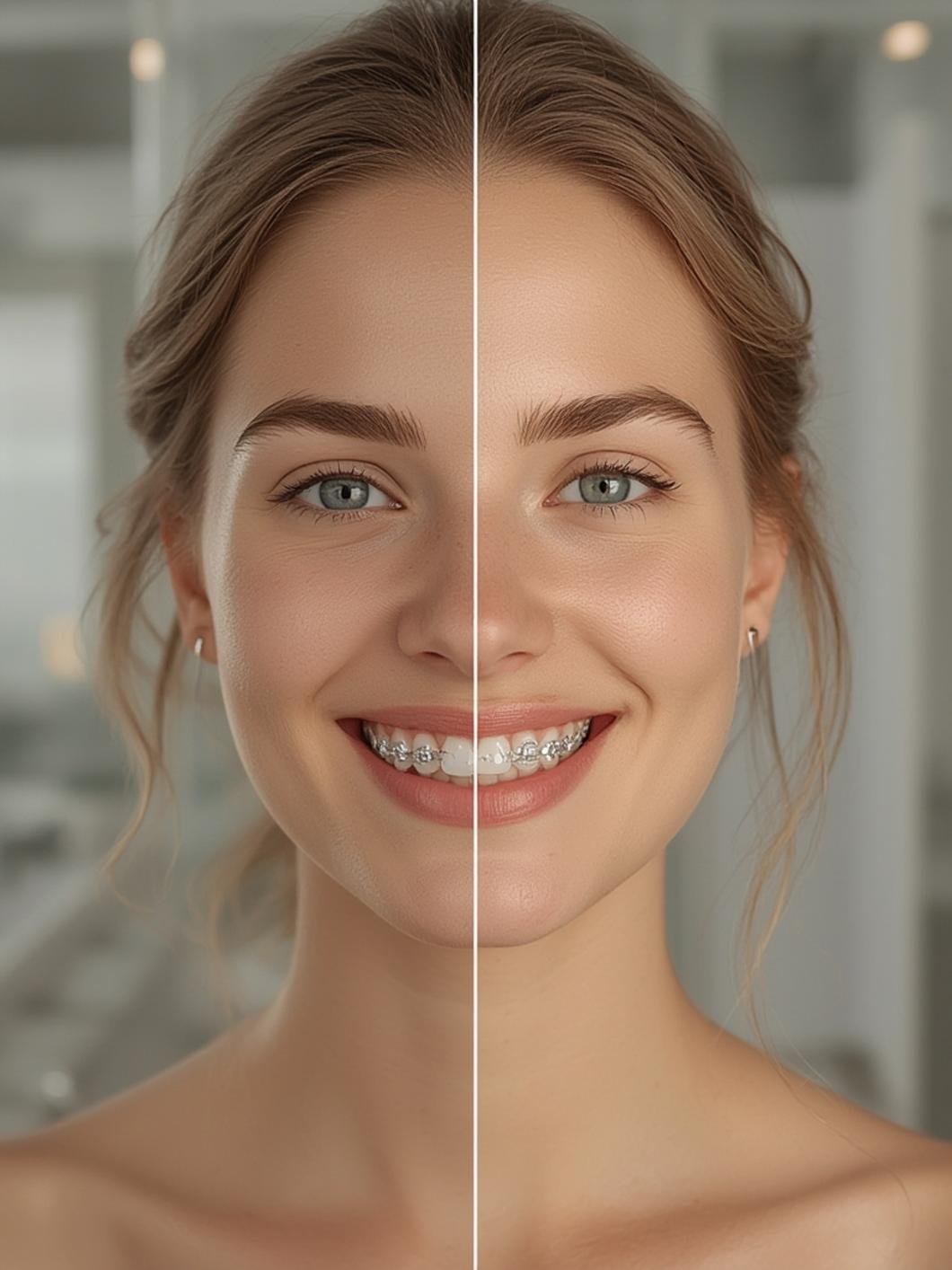
To get the most out of your best water flossers for braces and orthodontic flossers, follow these steps:
1. Brush your teeth to remove any loose food particles.
2. Use the best water flossers for braces to gently clean around your braces and between your teeth.
3. Employ orthodontic flossers to remove any remaining particles and plaque, especially in areas that the water flosser might miss.
4. Rinse your mouth with mouthwash for added protection.
Practical tips include using the right pressure and technique to avoid damaging your gums or braces and testing for sensitivity, especially when introducing new products to your routine.
Beauty Benefits / Advantages
Using the best water flossers for braces and orthodontic flossers can significantly improve oral hygiene, prevent plaque buildup, and reduce the risk of gum disease. These tools are designed to work with braces, making them ideal for orthodontic patients. Tips for enhanced benefits include using these tools as part of a comprehensive oral care routine, including regular brushing and mouthwash use.
Personal Care Advice
For individuals with sensitive teeth or gums, it’s crucial to adapt your routine accordingly. This might involve using gentle products, reducing the pressure when flossing, or avoiding certain areas. Seasonal adjustments, such as using a humidifier in dry weather to prevent mouth dryness, can also be beneficial. Maintaining results between treatments involves consistency and integrating these tools into your daily routine, even on busy days.
Common Mistakes to Avoid
Common mistakes include overusing or misusing the best water flossers for braces and orthodontic flossers, not replacing them as recommended, or not combining them with regular brushing and mouthwash use. To avoid these mistakes, follow the manufacturer’s guidelines, replace the tips regularly, and ensure you’re using them as part of a comprehensive oral care routine.
Product Care & Maintenance Tips
Proper care of your best water flossers for braces and orthodontic flossers involves regular cleaning and storage. This includes rinsing the devices after use, drying them to prevent bacterial growth, and storing them in a clean, dry place. Regularly check for any wear and tear, and replace parts as needed to ensure the devices continue to function effectively.
Conclusion
In conclusion, incorporating the best water flossers for braces and orthodontic flossers into your oral care routine can significantly improve your oral health and confidence in your smile. By following the steps outlined and avoiding common mistakes, you can achieve professional-grade results at home. We encourage you to try these tools and share your results, and explore more beauty and oral care tips on our blog.
FAQs
1. Q: How often should I use the best water flossers for braces and orthodontic flossers?
A: It’s recommended to use them at least once a day, preferably before brushing your teeth, for optimal oral hygiene.
2. Q: Can I use these tools if I have sensitive teeth or gums?
A: Yes, but be sure to use gentle settings and techniques to avoid discomfort or damage.
3. Q: How do I choose the right best water flossers for braces and orthodontic flossers for my needs?
A: Consider factors like ease of use, effectiveness, and compatibility with your braces and oral care needs.
4. Q: Can children use these tools?
A: Yes, with adult supervision, to help them develop good oral hygiene habits from a young age.
5. Q: Are best water flossers for braces and orthodontic flossers suitable for all types of braces?
A: Most are, but it’s always best to consult with your orthodontist to ensure compatibility and get personalized recommendations.