
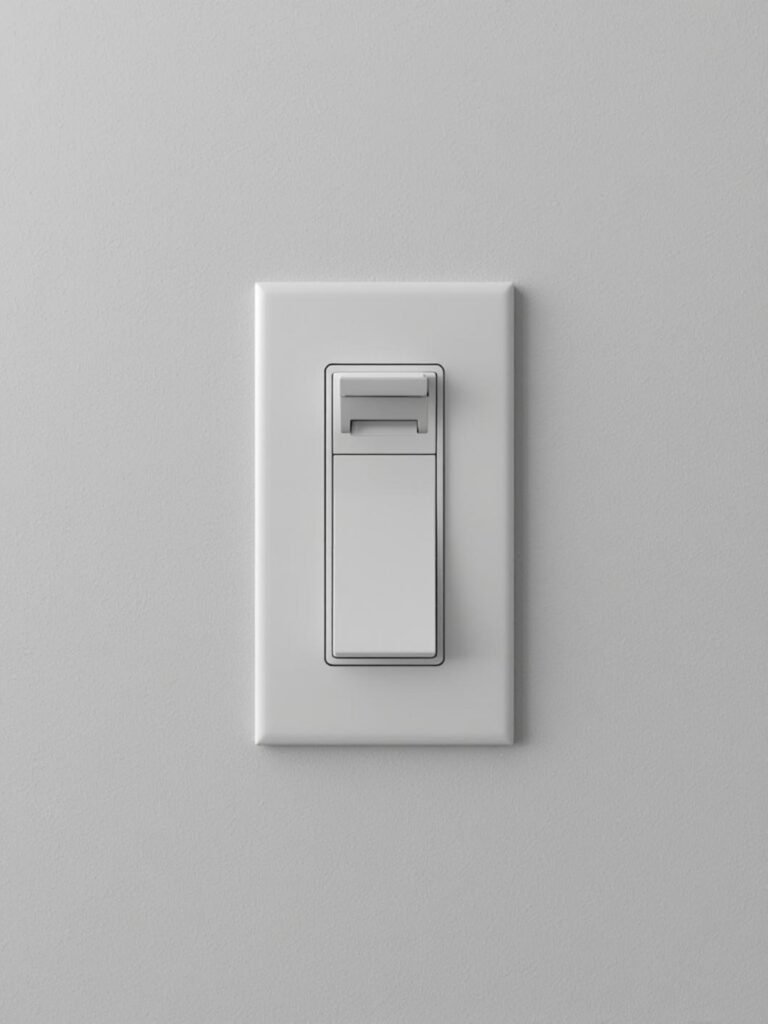
As we navigate the complexities of modern life, have you ever wondered how to make your home a more comfortable, secure, and efficient space? One of the most effective ways to achieve this is by investing in a Smart home automation system, which can be controlled using a caseta smart switch. By doing so, you can experience the numerous benefits of a smart home, including increased comfort, improved security, and energy savings.


Materials & Supplies
To set up and use a caseta smart switch, you’ll need several materials and supplies. These include:
– A smart hub: The central controller of your smart home system.
– Wi-Fi router: For connecting all your devices to the internet.
– Smart devices: Such as lights, plugs, cameras, and thermostats.
– Power adapters: For powering your devices.
– Installation tools: Depending on the type of devices you’re installing.
Optional accessories can enhance your smart home experience. These include:
– Motion sensors: For automating lights and security systems based on movement.
– Smart switches: Like the caseta smart switch, for controlling lights and other devices.
– Ethernet cables: For wired connections to ensure reliability.
– Backup batteries: For devices that require continuous power, like security systems.
Each item plays a crucial role in building a reliable and efficient smart home setup.
Timing / Setup Schedule
Setting up your smart home system requires some planning. The process can be broken down into three main phases:
– Unboxing and checking devices: This typically takes 10–20 minutes.
– Installation: Depending on the devices, this can take anywhere from 30 to 90 minutes.
– Configuration and automation: Setting up routines and testing them takes about 20–40 minutes.
Planning ahead ensures a smooth setup. Consider the layout of your home and the placement of devices for optimal coverage.
Step-by-Step Instructions
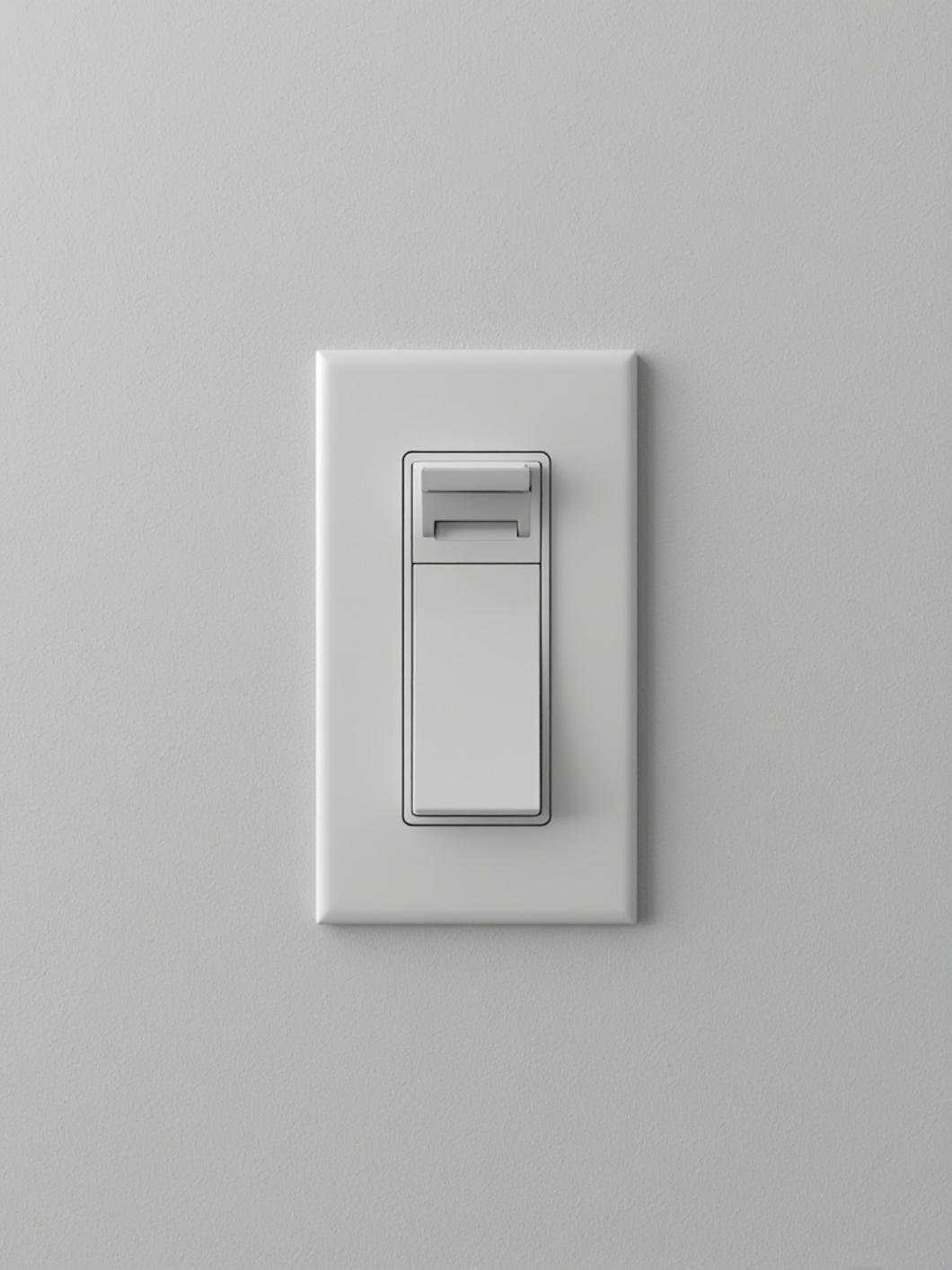
Setting up your caseta smart switch involves several steps:
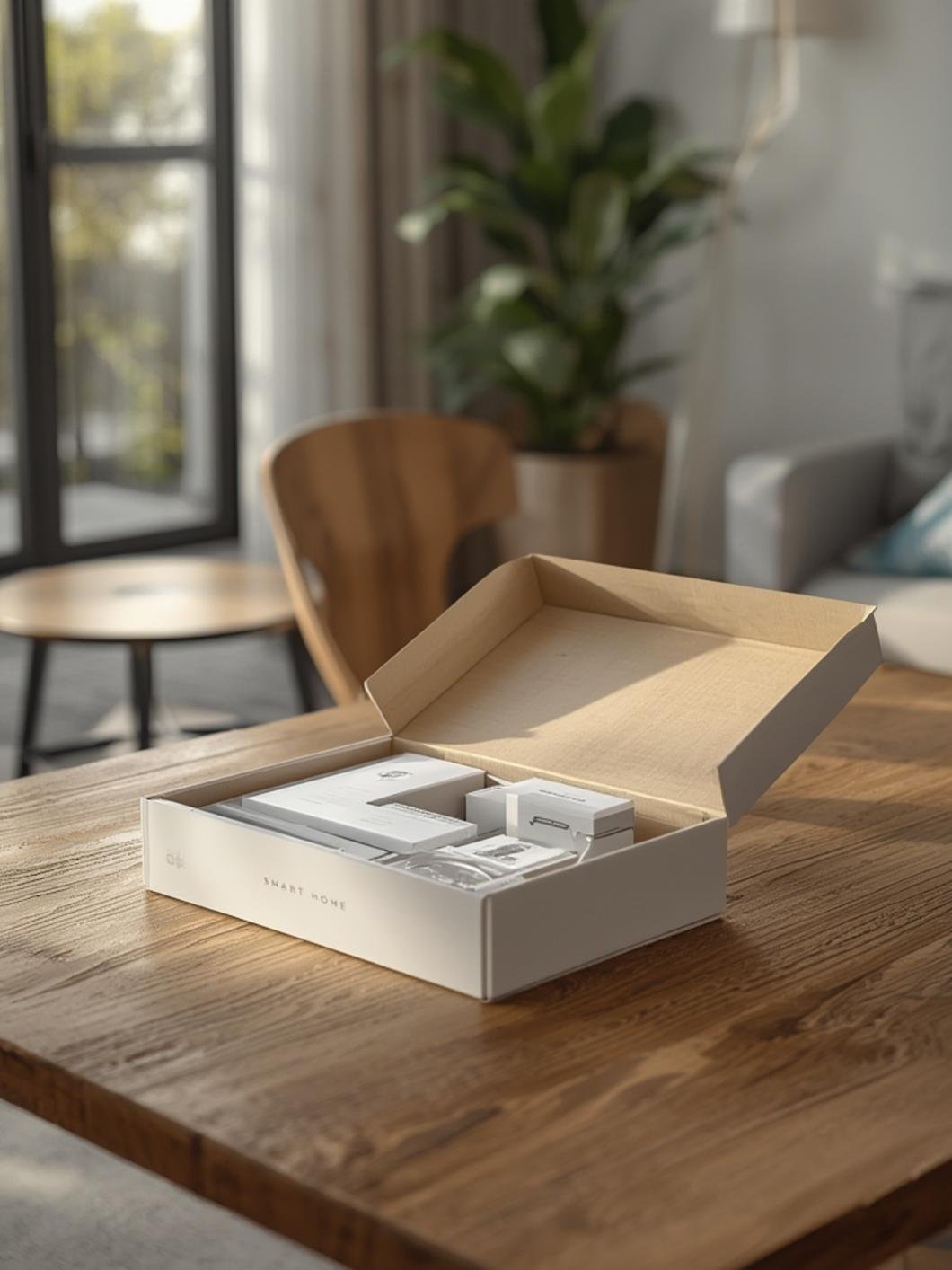
1. Unbox and Inventory: Unbox all your devices and take stock of what you have.
2. Connect to Wi-Fi: Ensure your smart hub and devices are connected to your Wi-Fi network.
3. Install Devices: Follow the manufacturer’s instructions for installing each device.
4. Configure Automation: Use your smart hub’s app to set up automation routines, such as turning on lights when you enter a room, using devices like the caseta smart switch for efficient control.
5. Test Routines: Make sure all your automation routines are working as intended.
When setting up your smart home, consider integrating Smart home automation features for optimal control and efficiency.
Nutritional Benefits / Advantages
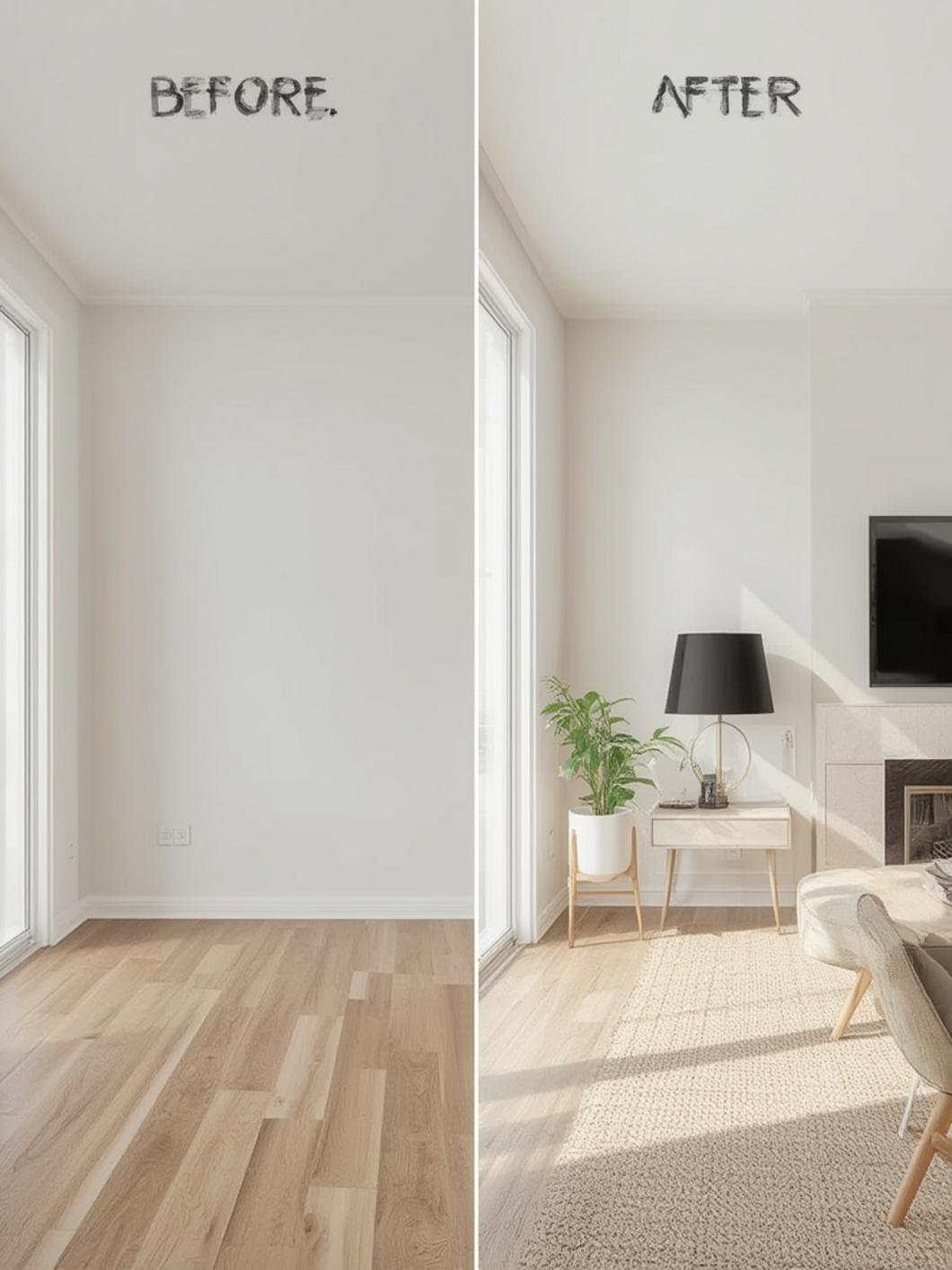
While “nutritional benefits” might not directly apply to smart home setups, the advantages of having such a system are numerous:
– Increased Comfort: Automate lighting, temperature, and entertainment systems for a cozy home.
– Improved Security: Use cameras, motion sensors, and smart locks for enhanced security.
– Energy Savings: Automate lights and appliances to turn off when not in use.
– Convenience: Control your home with voice commands or from your smartphone.
Consider using smart plugs for existing appliances, motion sensors for automation, and voice assistants for hands-free control to maximize these benefits, all of which can be seamlessly integrated with a Smart home automation system and controlled via a caseta smart switch.
caseta smart switch Advice
For a tailoredcaseta smart switch experience:
– Use smart plugs for existing devices to make them smart.
– Opt for modular smart hubs for scalable setups.
– Consider indoor automation for apartments.
– Choose energy-efficient devices for an eco-friendly home.
For small spaces, prioritize multi-functional devices. In multi-story homes, ensure Wi-Fi coverage is adequate. Adapt your routines for seasonal changes to optimize energy usage and comfort.
Common Mistakes to Avoid
Common mistakes in smart home setups include:
– Incompatible devices: Ensure all devices are compatible with your smart hub.
– Poor sensor placement: Place motion sensors in areas where they will be most effective.
– Weak Wi-Fi: Use Wi-Fi extenders if necessary to ensure strong coverage.
– Skipped updates: Regularly update your devices’ firmware for security and functionality.
– Unsecured networks: Secure your network with strong passwords and consider guest networks for visitors.
Storage / Maintenance Tips
To maintain your smart home devices:
– Keep apps and firmware updated.
– Replace batteries when needed.
– Monitor device health through your smart hub’s app.
– Optimize automation routines periodically.
– Secure your network and devices with strong passwords.
Proper care ensures your smart home runs efficiently and reliably, providing you with the full benefits of Smart home automation and the convenience of using a caseta smart switch.
Conclusion
In conclusion, setting up a smart home system can greatly enhance your living space, offering increased comfort, security, and convenience. By integrating Smart home automation and using devices like the caseta smart switch, you can experience these benefits firsthand. Consider exploring related posts or sharing your own smart home setup experience to learn more about how Smart home automation and the caseta smart switch can enhance your home.
FAQs
1. Q: What is the average cost of setting up a smart home system?
A: The cost varies widely depending on the devices and complexity of the system. Basic setups can start under $100, while comprehensive systems can cost $1,000 or more.
2. Q: Do I need to hire a professional for installation?
A: While some individuals may choose to hire a professional, many smart home devices are designed for DIY installation. Follow the manufacturer’s instructions for a smooth setup.
3. Q: How secure are smart home systems from hacking?
A: Smart home systems can be secure if properly set up. Use strong, unique passwords, keep your devices and hub’s firmware updated, and consider using a guest network for added security.
4. Q: Can I control my smart home devices when I’m not at home?
A: Yes, most smart home systems allow for remote control through a smartphone app, as long as your devices are connected to the internet.
5. Q: Are smart home devices compatible with all internet service providers?
A: Generally, smart home devices are compatible with most internet service providers. However, it’s a good idea to check the device’s specifications to ensure compatibility with your specific ISP and to consider the role of Smart home automation and devices like the caseta smart switch in your setup.