
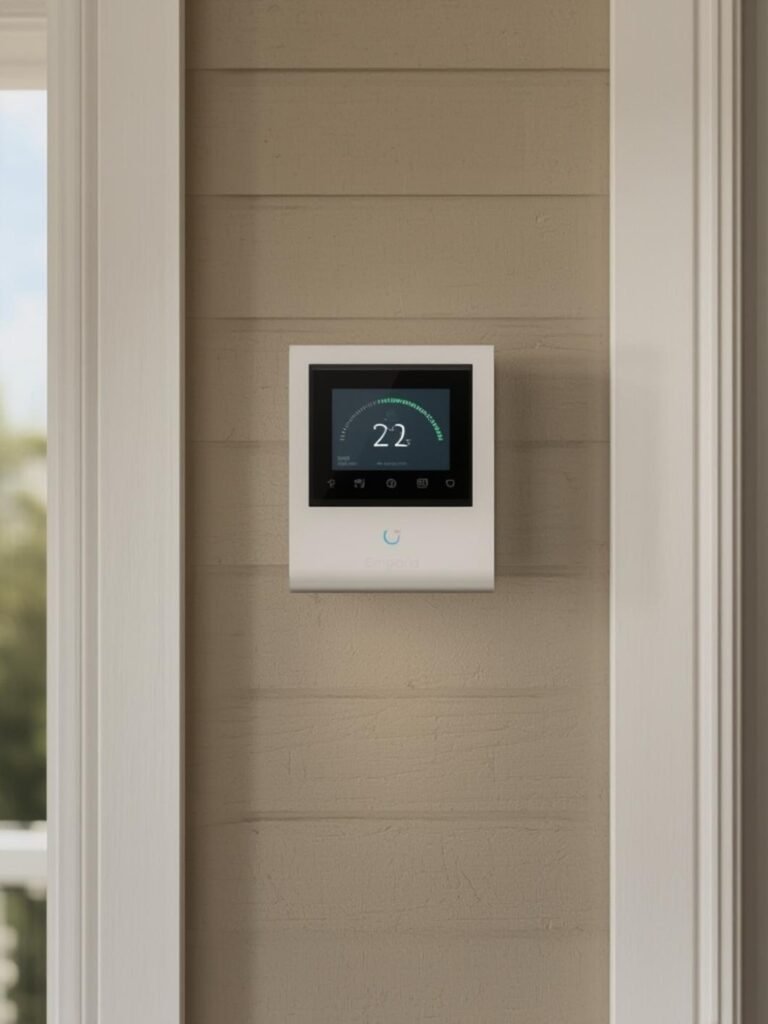
As we continue to navigate the complexities of modern life, one question remains: are you leveraging the power of emporia gen 3 smart home energy monitor to streamline your daily routine and reduce energy waste through smart energy monitoring?
Setting up a smart home system at home is valuable because it offers a seamless way to control and monitor your energy consumption, leading to increased comfort, improved security, and significant energy savings. By incorporating a smart home energy monitor, such as the emporia gen 3, and adopting smart energy monitoring practices, you can optimize your energy usage and make your home more efficient.


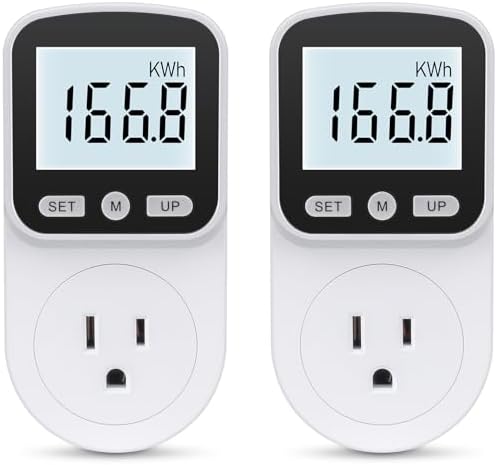

Materials & Supplies
To set up and use a smart home system, you’ll need several materials, tools, and items. These include:
– A smart hub to act as the central controller of your smart home
– A Wi-Fi router for reliable internet connectivity
– Smart devices such as smart lights, plugs, cameras, and thermostats
– Power adapters for each device
– Installation tools like screwdrivers and drills for mounting devices
– Optional accessories such as motion sensors for automation, smart switches for easy control, Ethernet cables for a wired connection, and backup batteries to ensure continuous operation during power outages
Each item plays a crucial role in building a reliable and efficient smart home setup. For example, smart plugs can be used to control existing appliances, while motion sensors can automate lighting and security systems. Understanding the function of each component is essential for a seamless smart home experience.
Timing / Setup Schedule
Preparation involves unboxing and checking devices, which takes around 10–20 minutes. Installation can range from 30 to 90 minutes, depending on the number and complexity of devices. Finally, configuring and automating your smart home system to test routines requires an additional 20–40 minutes. Planning ahead ensures a smooth smart home setup.
Step-by-Step Instructions
Setting up your emporia gen 3 smart home energy monitor involves several straightforward steps:
1. Unbox and Inventory: Unbox all your devices and accessories, and inventory them to ensure everything is included.
2. Install Devices: Install smart devices in optimal locations for coverage and functionality.
3. Configure Network: Set up your smart hub and connect it to your Wi-Fi router.
4. Add Devices to Hub: Connect each smart device to your smart hub.
5. Configure Automation: Use the smart home app to configure automation routines.
6. Test and Refine: Test each device and automation routine, making adjustments as necessary.
When setting up, consider using an emporia gen 3 smart home energy monitor for detailed energy insights and implementing smart energy monitoring to optimize your energy usage.
Nutritional Benefits / Advantages
The advantages of setting up a emporia gen 3 smart home energy monitor are numerous:
– Increased Comfort: Automate lighting, temperature, and entertainment systems for a comfortable living experience.
– Improved Security: Use smart cameras and doorbells for enhanced home security.
– Energy Savings: Implement smart energy monitoring and adjust your consumption with the help of devices like the emporia gen 3 smart home energy monitor to reduce waste.
– Convenience: Control your smart home with voice assistants or a single app.
Tips for maximizing these benefits include using smart plugs for existing appliances, motion sensors for automation, and setting up scalable systems for flexibility.
Smart Home Advice
For a tailored smart home experience, consider the following variations:
– Modular Smart Hubs: Ideal for scalable setups.
– Indoor Automation: Suitable for apartments and small spaces.
– Energy-Efficient Devices: Perfect for eco-friendly homes.
Adapting your smart home setup to your lifestyle, whether you live in a small space, a multi-story home, or in different climates, ensures you get the most out of your smart home system.
Common Mistakes to Avoid
Common emporia gen 3 smart home energy monitor mistakes include:
– Incompatible devices
– Poor sensor placement
– Weak Wi-Fi
– Skipped updates
– Unsecured networks
To fix these, ensure device compatibility before purchase, place sensors in optimal locations, use a strong and secure Wi-Fi network, regularly update your devices and apps, and secure your network with strong passwords and two-factor authentication.
Storage / Maintenance Tips
To maintain your emporia gen 3 smart home energy monitor devices for long-term performance:
– Keep apps and firmware updated.
– Replace batteries when needed.
– Monitor device health and optimize automation routines.
– Secure your network to prevent unauthorized access.
Proper care ensures your smart home runs efficiently and reliably, providing you with continuous comfort, security, and energy savings through effective smart energy monitoring and the use of a reliable emporia gen 3 smart home energy monitor.
Conclusion
In conclusion, setting up aemporia gen 3 smart home energy monitor offers numerous benefits, including increased comfort, improved security, energy savings, and convenience. By incorporating emporia gen 3 smart home energy monitor and smart energy monitoring into your setup, you can further enhance these benefits. We encourage you to try setting up your smart home and explore the possibilities it offers. Share your experience with us or explore related posts for more insights into creating the perfect smart home environment.
FAQs
1. Q: What is the primary benefit of using a smart home energy monitor?
A: The primary benefit is the detailed insight into your energy consumption, allowing for optimization and savings.
2. Q: How do I ensure compatibility between different smart devices?
A: Always check the compatibility of devices before purchase, looking for certifications like Zigbee or Z-Wave.
3. Q: Can smart home systems be scaled down for small spaces or apartments?
A: Yes, smart home systems can be tailored to fit any space, from small apartments to large homes, by choosing the right devices and configuration.
4. Q: What security measures should I take to protect my smart home system?
A: Use strong passwords, enable two-factor authentication, keep your devices and apps updated, and use a secure Wi-Fi network.
5. Q: How often should I update my smart home devices?
A: Regularly check for and install updates for your devices and their associated apps to ensure you have the latest features and security patches.