
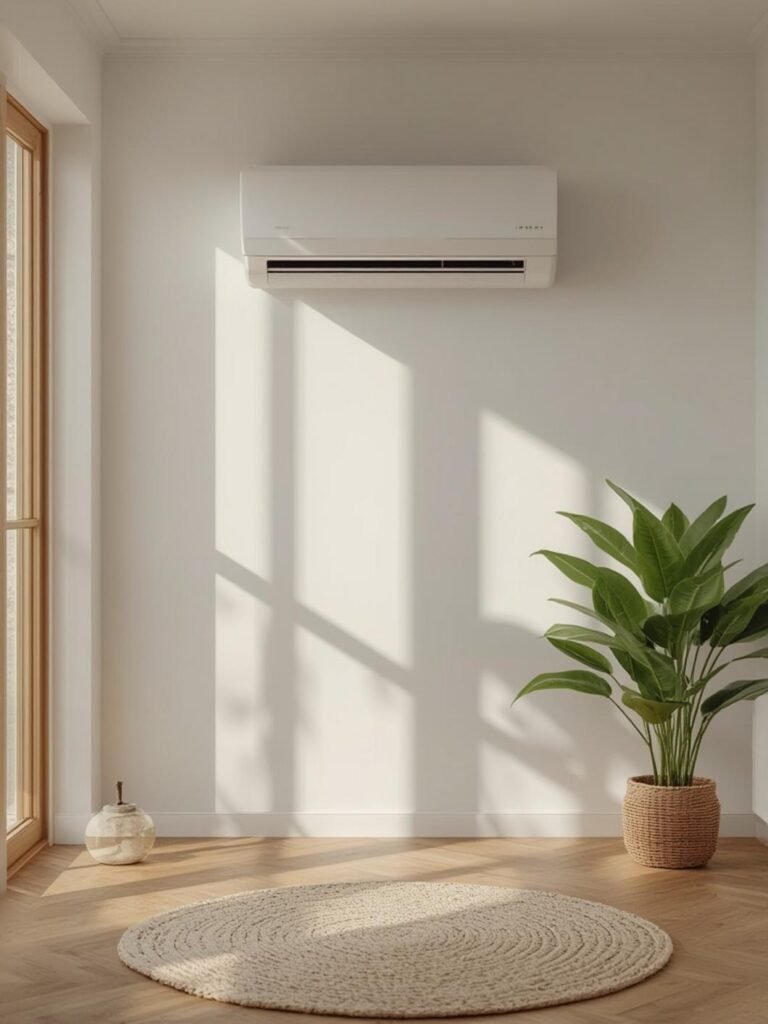
As the world becomes increasingly connected, the concept of smart homes has become a reality, making our lives easier and more convenient. But have you ever wondered how to set up a smart home system that integrates seamlessly with devices like a smart air conditioner and a WiFi air conditioner, to create a comfortable and energy-efficient living space?
Growing or caring for a smart home at home is valuable because it allows you to control and monitor your devices remotely, saving you time and energy.

Materials & Supplies
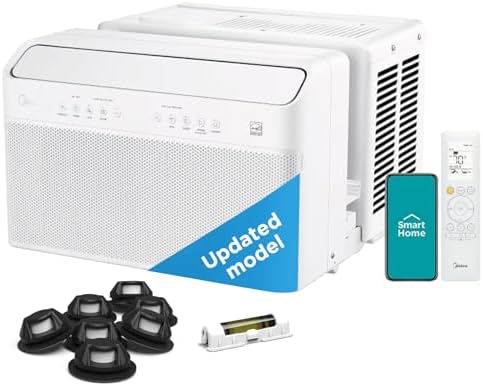
To set up and use a smart air conditioner, you’ll need a few essential materials and supplies. These include:
– A smart hub: This is the central device that connects all your smart devices together.
– Wi-Fi router: A reliable Wi-Fi router is necessary to ensure a stable internet connection for your smart devices.
– Smart devices: These can include lights, plugs, cameras, thermostats, and more. For example, a smart air conditioner can be controlled remotely to adjust the temperature.
– Power adapters: These are necessary to power your smart devices.
– Installation tools: Depending on the devices you’re installing, you may need tools like screwdrivers or drills.
Optional accessories include:
– Motion sensors: These can be used to automate your smart devices based on movement.
– Smart switches: These can be used to control your smart devices with the touch of a button.
– Ethernet cables: These can be used to create a wired connection for your smart devices.
– Backup batteries: These can be used to keep your smart devices running in case of a power outage.
Timing / Setup Schedule
The setup process for a smart air conditioner can vary depending on the number of devices you’re installing. Here’s a general outline of what you can expect:
– Unboxing and checking devices: 10-20 minutes
– Installation: 30-90 minutes
– Configuration and automation: 20-40 minutes
Planning ahead and taking your time during the setup process will ensure a smooth and efficient smart home setup.
Step-by-Step Instructions
Here are the step-by-step instructions to set up and manage your smart air conditioner
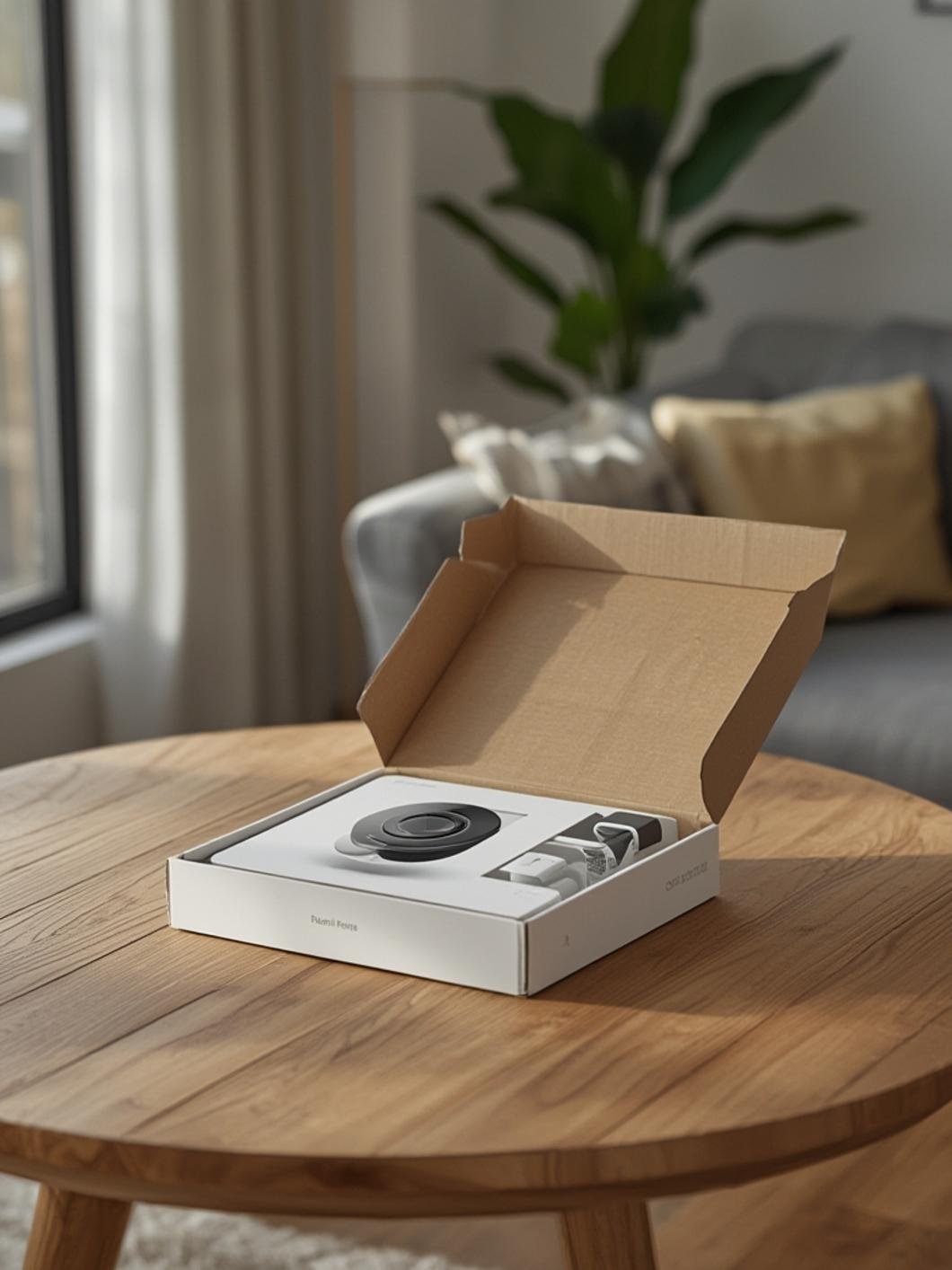
1. Unbox and check your devices to ensure everything is included and undamaged.
2. Install your smart hub and connect it to your Wi-Fi router.
3. Install your smart devices, such as a smart air conditioner or a WiFi air conditioner, and connect them to your smart hub.
4. Configure your automation routines to control your smart devices.
5. Test your automation routines to ensure everything is working as expected.
6. Secure your network to prevent unauthorized access to your smart devices.
Nutritional Benefits / Advantages smart air conditioner
Setting up a smart home system has several benefits, including:
– Increased comfort: With a smart home system, you can control your devices remotely to create a comfortable living space.
– Improved security: Smart home devices like cameras and doorbells can enhance the security of your home.
– Energy savings: Smart devices like thermostats and lights can be automated to save energy.
– Convenience: Smart home devices can be controlled with the touch of a button, making it easy to manage your home.
Tips and alternative methods include using smart plugs for existing appliances, motion sensors for automation, and voice assistants for hands-free control.
smart air conditioner Advice
Here are some variations and tips for setting up a smart home system:
– Use smart plugs for existing devices to make them smart.
– Use modular smart hubs for scalable setups.
– Use indoor automation for apartments.
– Use energy-efficient devices for eco-friendly homes.
For small spaces, consider using compact smart devices. For multi-story homes, consider using a smart hub with a strong signal. For different climates, consider using smart devices that can adapt to changing temperatures.
Common Mistakes to Avoid
Here are some common mistakes to avoid when setting up a smart home system:
– Incompatible devices: Make sure all your devices are compatible with your smart hub.
– Poor sensor placement: Place your sensors in areas where they can detect movement or changes in temperature.
– Weak Wi-Fi: Ensure your Wi-Fi signal is strong enough to support your smart devices.
– Skipped updates: Regularly update your devices to ensure you have the latest features and security patches.
– Unsecured networks: Secure your network to prevent unauthorized access to your smart devices.
Storage / Maintenance Tips
To maintain your smart air conditioner devices for long-term performance, follow these tips:
– Keep your apps and firmware updated.
– Replace batteries when needed.
– Monitor device health to detect any issues.
– Optimize your automation routines to ensure they’re working efficiently.
– Secure your network to prevent unauthorized access.
Conclusion
In conclusion, setting up a smart home system that integrates seamlessly with devices like a smart air conditioner and a WiFi air conditioner can be a valuable investment for any homeowner. By following the steps outlined in this article, you can create a comfortable and energy-efficient living space. We encourage you to try setting up a smart home system and share your experience with us. You can also explore related posts on our website for more information on smart home devices and automation.
FAQs
Here are some frequently asked questions related to smart home systems:
Q: What is the benefit of using a smart home system?
A: The benefit of using a smart home system is that it allows you to control and monitor your devices remotely, saving you time and energy.
Q: How do I secure my smart home network?
A: To secure your smart home network, use a strong password, enable two-factor authentication, and keep your devices and firmware updated.
Q: Can I use smart devices with existing appliances?
A: Yes, you can use smart plugs to make your existing appliances smart.
Q: How do I optimize my automation routines?
A: To optimize your automation routines, monitor your device usage and adjust your routines accordingly.
Q: What are some common mistakes to avoid when setting up a smart home system?
A: Common mistakes to avoid include using incompatible devices, poor sensor placement, weak Wi-Fi, skipped updates, and unsecured networks.