

Are you tired of coming home to a hungry pet, wondering if they’ve been fed on time? With the help of a smart pet feeder and an automatic pet feeder, you can ensure your furry friend is well taken care of, even when you’re not around.
Growing a smart home system at home is valuable because it provides convenience, security, and peace of mind, allowing you to focus on other aspects of your life.

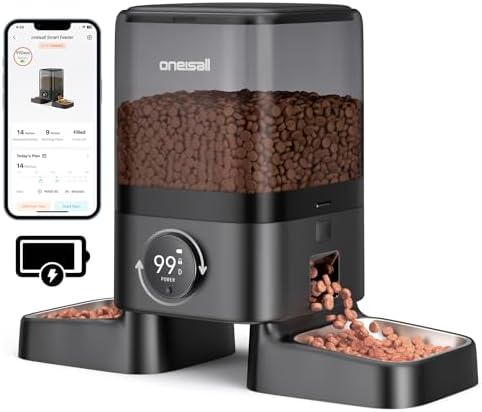


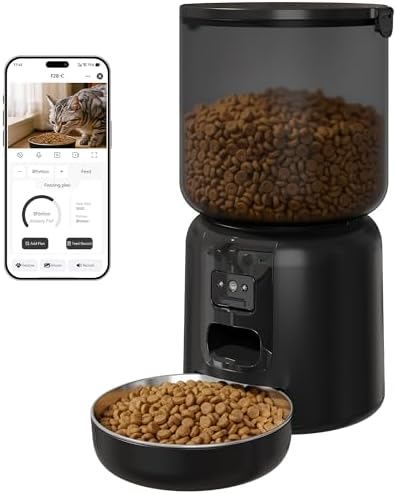
Materials & Supplies smart pet feeder
To set up and use a smart home system, you’ll need a few essential materials and supplies. These include:
– A smart hub to connect all your devices
– A Wi-Fi router for internet connectivity
– Smart devices such as lights, plugs, cameras, and thermostats
– Power adapters for each device
– Installation tools like screwdrivers and drills
– Optional accessories like motion sensors, smart switches, Ethernet cables, and backup batteries
Each item plays a crucial role in building a reliable and efficient smart home setup. For instance, motion sensors can automate lighting and security, while smart switches can control multiple devices with a single command.
Timing / Setup Schedule

Setting up your smart home system requires some planning and time. The prep phase, which involves unboxing and checking devices, can take around 10-20 minutes. Installation can range from 30 to 90 minutes, depending on the number and type of devices you’re setting up. Finally, configuring and automating your devices to test routines can take an additional 20-40 minutes. Planning ahead and allowing sufficient time for each step ensures a smooth smart home setup.
Step-by-Step Instructions smart pet feeder

To set up and manage your smart home system, follow these steps:
1. Place devices for optimal coverage, ensuring all areas of your home are connected and controlled.
2. Update firmware regularly to keep your devices secure and functioning at their best.
3. Test automation routines to ensure they’re working as intended, providing convenience and efficiency.
4. Secure your network to protect your devices and data from unauthorized access.
Using a smart pet feeder and an automatic pet feeder can be particularly beneficial, as they allow you to feed your pet remotely and on a schedule, ensuring they’re always cared for.
Nutritional Benefits / Advantages ; smart pet feeder
Setting up a smart home system offers numerous benefits, including increased comfort, improved security, energy savings, and convenience. Tips for maximizing these benefits include:
– Using smart plugs for existing appliances to make them smart and controllable.
– Installing motion sensors for automation, turning lights and devices on and off based on occupancy.
– Utilizing voice assistants for hands-free control, making it easy to manage your smart home with voice commands.
– Setting up scalable systems for small and large homes, ensuring every space can be smart and efficient.
Smart Home Advice; smart pet feeder
For variations and adaptations, consider:
– Using smart plugs for existing devices to make them compatible with your smart home system.
– Choosing modular smart hubs for scalable setups, allowing you to add devices as needed.
– Implementing indoor automation for apartments, where space and wiring might be limited.
– Selecting energy-efficient devices for eco-friendly homes, reducing your carbon footprint.
Tips for small spaces include using compact devices, while multi-story homes might benefit from additional routers or range extenders for full coverage.
Common Mistakes to Avoid

Common mistakes in setting up a smart home include:
– Incompatible devices, which can hinder the functionality of your system.
– Poor sensor placement, leading to inefficient automation.
– Weak Wi-Fi signals, causing devices to disconnect or malfunction.
– Skipped updates, leaving your system vulnerable to security risks.
– Unsecured networks, exposing your devices and data to threats.
To fix these issues, ensure you choose compatible devices, place sensors strategically, strengthen your Wi-Fi, keep your system updated, and secure your network with strong passwords and encryption.
Storage / Maintenance Tips smart pet feeder
To maintain your smart home devices for long-term performance:
– Keep apps and firmware updated to ensure you have the latest features and security patches.
– Replace batteries when needed to prevent device failure.
– Monitor device health to catch and fix issues before they become major problems.
– Optimize automation routines to ensure they’re working efficiently and as intended.
– Secure your network regularly to protect against evolving threats.
Proper care ensures your smart home runs efficiently and reliably, providing you with comfort, security, and convenience.
Conclusion
In conclusion, setting up a smart home system, including integrating a smart pet feeder and an automatic pet feeder, can significantly enhance your living experience. By following the steps and tips outlined, you can create a smart, efficient, and secure home that meets your needs and provides peace of mind. We encourage you to try setting up your own smart home and share your experience with us, or explore related posts for more information on creating the perfect smart home setup.
FAQs
1. Q: How do I choose the right smart devices for my home?
A: Consider your needs, the compatibility of devices, and reviews from other users to select the best smart devices for your home.
2. Q: Can I control my smart home devices when I’m not at home?
A: Yes, most smart home systems allow remote access through apps, enabling you to control and monitor your devices from anywhere.
3. Q: How do I ensure my smart home system is secure?
A: Keep your devices and network updated, use strong passwords, and enable two-factor authentication to secure your smart home system.
4. Q: Are smart home devices compatible with all types of internet connections?
A: Most smart devices work with standard Wi-Fi connections, but check the specifications of your device to ensure compatibility with your internet setup.
5. Q: Can I automate routines for specific times of the day or week?
A: Yes, most smart home systems allow you to schedule automation routines based on time, day, or other triggers, providing customized control over your smart home.