
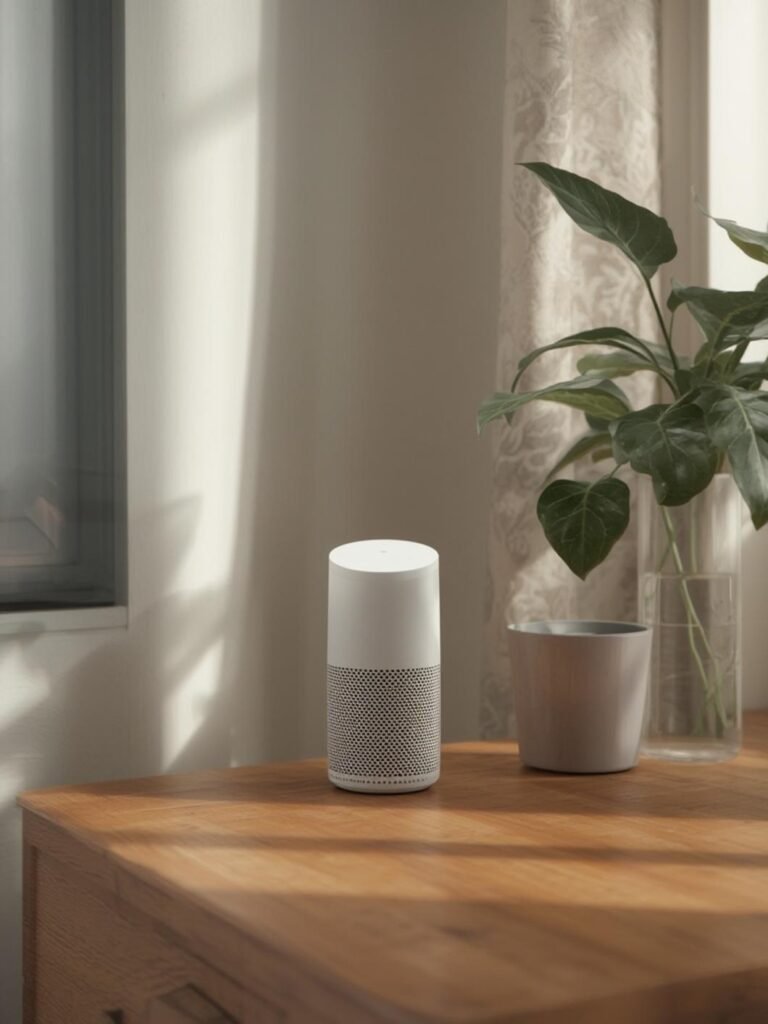
Are you considering upgrading your home to a smart home, but unsure where to start? With the rise of smart home technology, it’s easier than ever to control and automate various aspects of your home, making it more comfortable, convenient, and energy-efficient.
When it comes to choosing the right smart display, the debate between echo show vs google nest hub is a common one. Additionally, a thorough smart display comparison can help you make an informed decision. By setting up a smart home system, you can enjoy increased comfort, improved security, and energy savings, making it a valuable investment for any homeowner.


Materials & Supplies
To set up and use a smart home system, you’ll need a few essential materials and supplies. These include:
- A smart hub, such as Amazon Echo or Google Home
- A Wi-Fi router
- Smart devices, such as lights, plugs, cameras, and thermostats
- Power adapters for each device
- Installation tools, such as a screwdriver and drill
- Optional accessories, such as motion sensors, smart switches, Ethernet cables, and backup batteries
Each of these items plays a crucial role in building a reliable and efficient smart home setup. For example, motion sensors can help automate lighting and temperature control, while smart switches can provide an easy way to control multiple devices at once.
Timing / Setup Schedule echo show vs Google Nest Hub
Prepping and setting up your smart home system can take some time, but with a clear plan, you can ensure a smooth and efficient process. Here’s a rough estimate of the time involved:
- Unboxing and checking devices: 10-20 minutes
- Installation: 30-90 minutes, depending on the number of devices
- Configuration and automation: 20-40 minutes
Planning ahead and allowing enough time for each step will help you avoid frustration and ensure a successful setup.
Step-by-Step Instructions
Setting up your smart home system is easier than you think. Here are some clear, easy-to-follow steps to get you started:
1. Place devices for optimal coverage and connectivity
2. Update firmware regularly to ensure you have the latest features and security patches
3. Test automation routines to ensure they’re working as expected
4. Secure your network to prevent unauthorized access
When choosing a smart display, consider the echo show vs google nest hub debate, and conduct a thorough smart display comparison to find the best fit for your needs.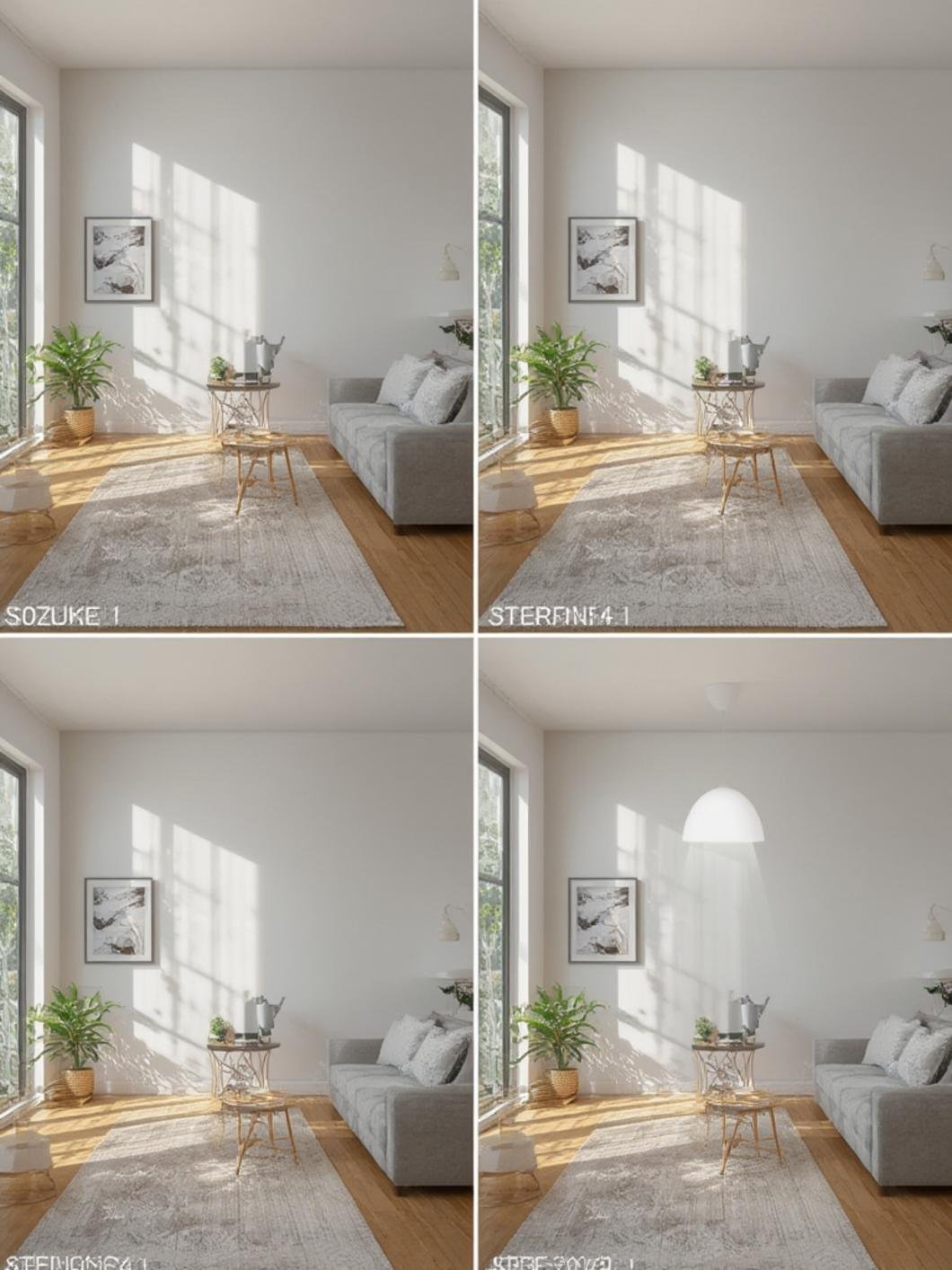
Nutritional Benefits / Advantages
Setting up a smart home system can have numerous benefits, including:
- Increased comfort and convenience
- Improved security and peace of mind
- Energy savings and reduced utility bills
- Enhanced home value and appeal
To get the most out of your smart home system, consider using smart plugs for existing appliances, motion sensors for automation, and voice assistants for hands-free control. You can also opt for a scalable setup to accommodate small or large homes.
Smart Home Advice
To get the most out of your smart home system, consider the following variations:
- Using smart plugs for existing devices to make them smart-enabled
- Choosing a modular smart hub for a scalable setup
- Implementing indoor automation for apartments or small spaces
- Selecting energy-efficient devices for an eco-friendly home
Additionally, consider adapting your routines for seasonal changes and energy usage to optimize your smart home’s performance.
Common Mistakes to Avoid
When setting up your smart home system, there are some common mistakes to avoid:
- Incompatible devices that won’t work together seamlessly
- Poor sensor placement that can lead to inconsistent performance
- Weak Wi-Fi signals that can cause connectivity issues
- Skipped updates that can leave your system vulnerable to security risks
- Unsecured networks that can compromise your personal data

By being aware of these potential pitfalls, you can take steps to avoid them and ensure a smooth, reliable setup.
Storage / Maintenance Tips
To keep your smart home devices running efficiently and reliably, follow these maintenance tips:
- Keep apps and firmware updated to ensure you have the latest features and security patches
- Replace batteries when needed to prevent device failure
- Monitor device health to catch any issues before they become major problems
- Optimize automation routines to ensure they’re working as expected
- Secure your network to prevent unauthorized access
By following these tips, you can enjoy a hassle-free smart home experience and get the most out of your investment.
Conclusion
In conclusion, setting up a smart home system can be a valuable investment for any homeowner, offering increased comfort, improved security, and energy savings. When choosing a smart display, consider the echo show vs google nest hub debate, and conduct a thorough smart display comparison to find the best fit for your needs. By following the steps and tips outlined in this guide, you can create a smart home system that meets your unique needs and preferences. So why not give it a try and experience the benefits of a smart home for yourself? Share your experience with us and explore related posts for more smart home tips and advice.
FAQs
Here are some common questions and answers related to smart home systems:
Q: What is the best smart display for my home?
A: The best smart display for your home depends on your specific needs and preferences. Consider the echo show vs google nest hub debate and conduct a thorough smart display comparison to find the best fit.
Q: How do I secure my smart home network?
A: To secure your smart home network, make sure to use strong passwords, keep your router and devices up to date, and use a VPN if necessary.
Q: Can I use smart home devices with existing appliances?
A: Yes, you can use smart plugs to make existing appliances smart-enabled and controllable through your smart home system.
Q: How do I troubleshoot common smart home issues?
A: To troubleshoot common smart home issues, check for firmware updates, restart devices, and consult the user manual or online support resources.
Q: Can I use smart home devices in a small space or apartment?
A: Yes, smart home devices can be used in small spaces or apartments, and can even help optimize energy usage and comfort in these environments.