
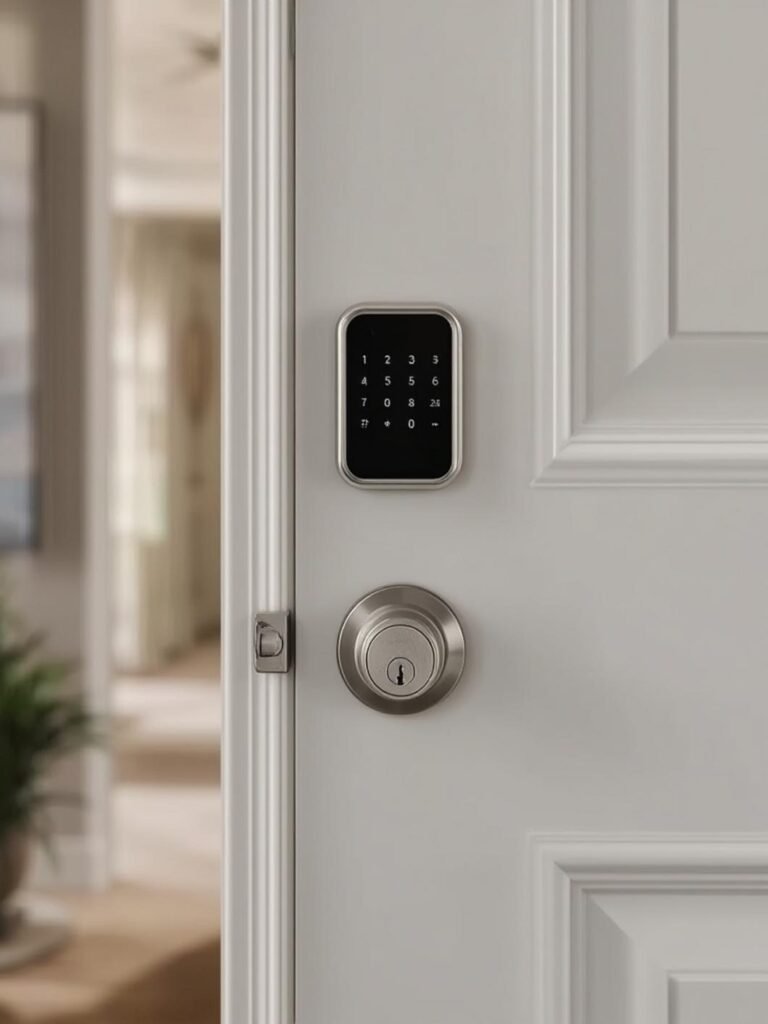
Are you considering upgrading your home’s security with yale smart locks and investing in a smart lock installation? Setting up a smart home system can be a valuable investment for homeowners, offering increased comfort, improved security, and energy savings. With the focus keyword yale smart locks and related keyword smart lock installation, you can enjoy a seamless and efficient smart home experience.

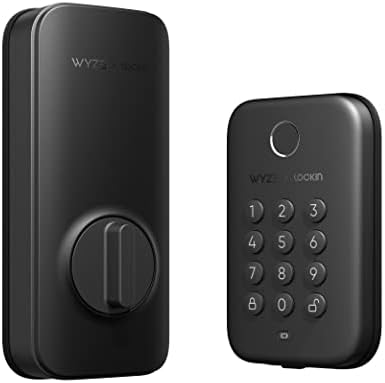


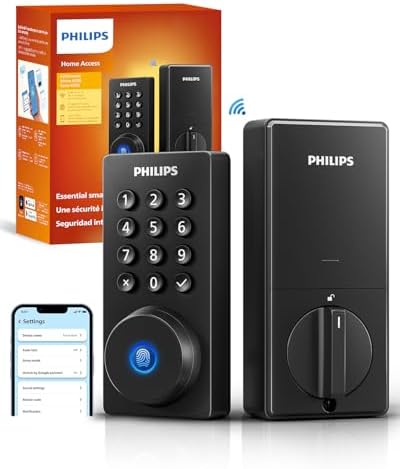
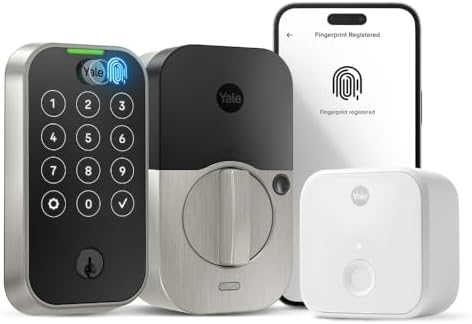
Materials & Supplies
To set up and use a smart home system, you’ll need a range of materials and supplies. These include:
- A smart hub to connect and control your devices
- A Wi-Fi router for reliable internet connectivity
- Smart devices such as lights, plugs, cameras, and thermostats
- Power adapters for each device
- Installation tools like screwdrivers and drills
- Optional accessories like motion sensors, smart switches, Ethernet cables, and backup batteries
Each item plays a crucial role in building a reliable and efficient smart home setup. For example, motion sensors can automate lighting and temperature control, while smart switches can enhance energy efficiency.
Timing / Setup Schedule
Preparation involves unboxing and checking devices (10–20 min), installation takes 30–90 min depending on devices, and configuration/automation to test routines takes 20–40 min. Planning ahead ensures a smooth smart home setup.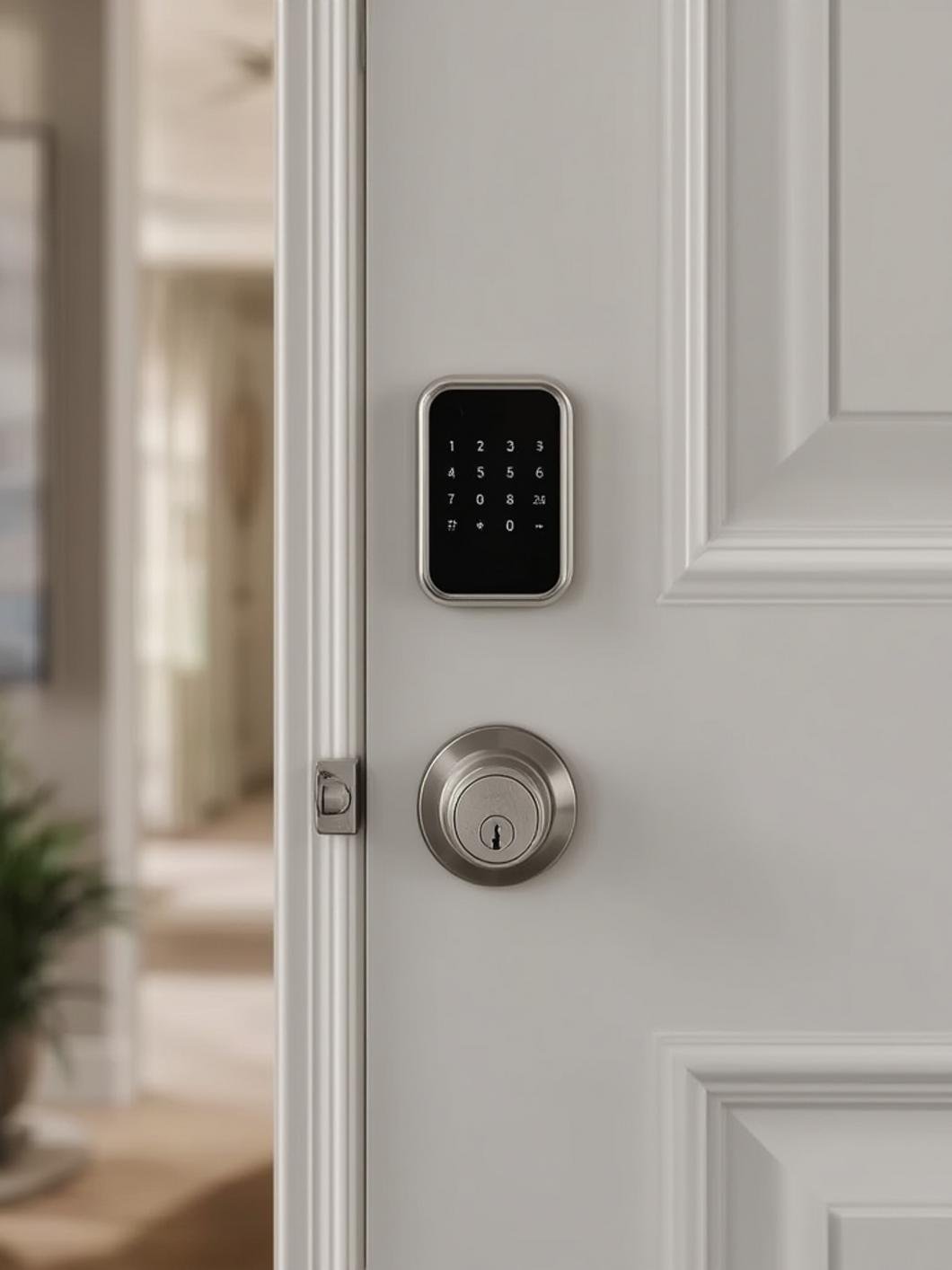
Step-by-Step Instructions
To set up and manage your smart home system, follow these clear, easy-to-follow steps:
1. Place devices for optimal coverage and connectivity.
2. Update firmware regularly to ensure device security and efficiency.
3. Test automation routines to customize your smart home experience.
4. Secure your network to prevent unauthorized access.
When setting up your yale smart locks and smart lock installation, consider the specific needs of your home and family.
Nutritional Benefits / Advantages
Setting up a smart home system offers numerous benefits, including:
- Increased comfort through automated temperature and lighting control
- Improved security with yale smart locks and surveillance cameras
- Energy savings through smart plugs and energy-efficient devices
- Convenience with voice assistants and hands-free control
Consider using smart plugs for existing appliances, motion sensors for automation, and scalable setups for small and large homes.
Smart Home Advice
For a customized smart home experience, consider the following variations:
- Using smart plugs for existing devices
- Modular smart hubs for scalable setups
- Indoor automation for apartments
- Energy-efficient devices for eco-friendly homes
Tips for small spaces, multi-story homes, different climates, or adapting routines for seasonal changes and energy usage can also enhance your smart home setup.
Common Mistakes to Avoid
Common smart home mistakes include:
- Incompatible devices
- Poor sensor placement
- Weak Wi-Fi
- Skipped updates
- Unsecured networks
To fix these issues, ensure device compatibility, optimize sensor placement, strengthen your Wi-Fi network, and keep your system updated and secured.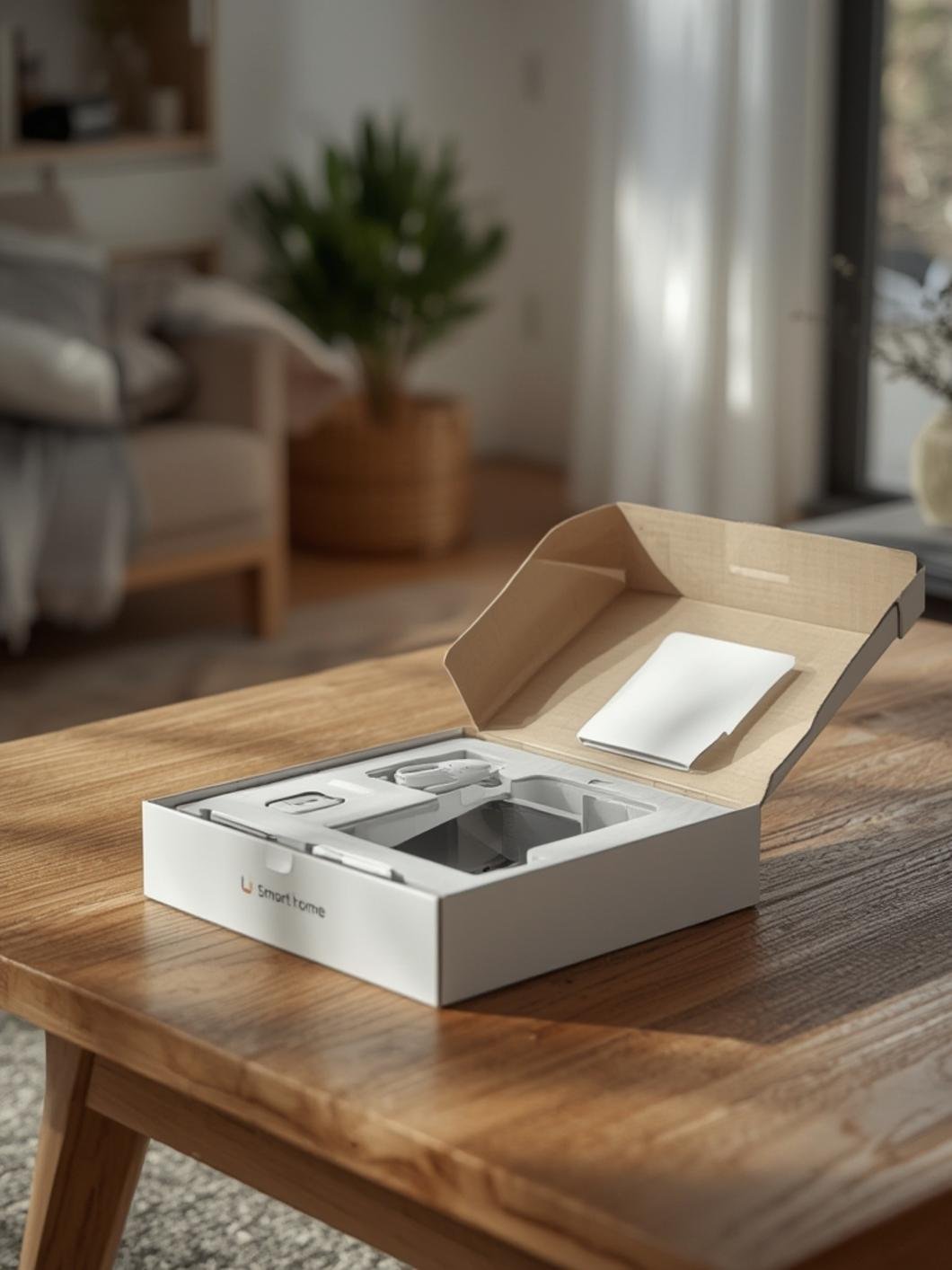
Storage / Maintenance Tips
To maintain your smart home devices for long-term performance:
- Keep apps and firmware updated
- Replace batteries when needed
- Monitor device health
- Optimize automation routines
- Secure your network
Proper care ensures your smart home runs efficiently and reliably.
Conclusion
In conclusion, setting up a smart home system with yale smart locks and smart lock installation can be a valuable investment for homeowners. By following the steps and tips outlined above, you can enjoy a seamless and efficient smart home experience. Try it today and share your experience with others!
FAQs
1. Q: What are the benefits of using yale smart locks in a smart home system?
A: yale smart locks offer improved security and convenience.
2. Q: How do I ensure a smooth smart lock installation process?
A: Plan ahead, choose compatible devices, and follow the manufacturer’s instructions.
3. Q: Can I customize my smart home system for my specific needs?
A: Yes, consider using smart plugs, motion sensors, and scalable setups to tailor your smart home experience.
4. Q: How do I maintain my smart home devices for long-term performance?
A: Keep apps and firmware updated, replace batteries when needed, and monitor device health.
5. Q: What are some common mistakes to avoid when setting up a smart home system?
A: Incompatible devices, poor sensor placement, weak Wi-Fi, skipped updates, and unsecured networks.