
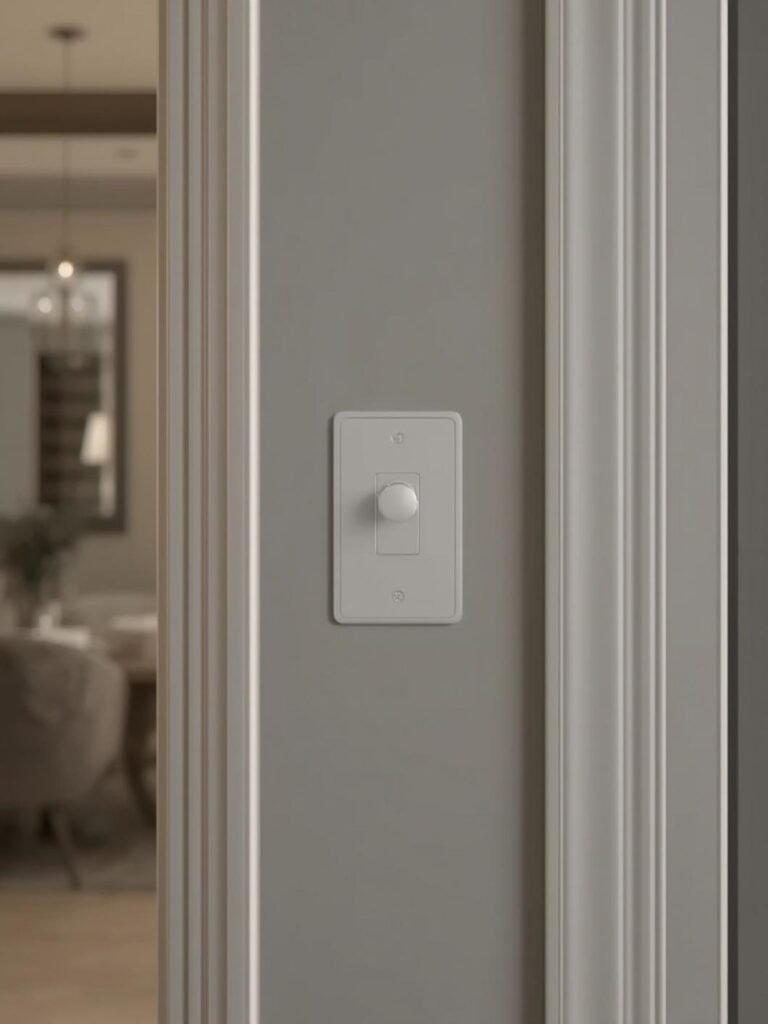
Transform Your Home with Smart Lighting: A Comprehensive Guide
Are you tired of coming home to a dark house or struggling to find the right light switch? With the lutron caseta wireless smart lighting dimmer switch, you can experience the convenience and comfort of smart home lighting control.


Setting up a smart home system can be valuable for homeowners, as it provides increased comfort, improved security, and energy savings. By incorporating a lutron caseta wireless smart lighting dimmer switch and smart home lighting control into your home, you can enjoy a seamless and automated living experience.
Materials & Supplies
To set up and use a smart home system, you’ll need the following materials and supplies:
– Smart hub: The central controller of your smart home system, connecting all devices and enabling automation.
– Wi-Fi router: A reliable internet connection is essential for smart home devices to communicate with each other and the cloud.
– Smart devices: These include lights, plugs, cameras, thermostats, and more, which can be controlled and automated through your smart hub.
– Power adapters: Ensure all devices are properly powered and connected to the electrical grid.
– Installation tools: Depending on the devices, you may need screwdrivers, drills, or other tools for installation.
– Optional accessories:
– Motion sensors: Automatically turn lights on or off based on room occupancy.
– Smart switches: Replace traditional light switches with smart ones for easier control.
– Ethernet cables: For devices that require a wired connection for reliability or speed.
– Backup batteries: Ensure your smart home system remains operational during power outages.
Each item plays a crucial role in building a reliable and efficient smart home setup. Understanding their functions and how they integrate with each other is key to a successful smart home experience.
Timing / Setup Schedule
Preparation is key to a smooth smart home setup. The process can be broken down into several steps:
– Unboxing and checking devices: 10–20 minutes
– Installation: 30–90 minutes, depending on the number and type of devices
– Configuration and automation: 20–40 minutes, including setting up routines and testing
Planning ahead and allocating sufficient time for each step ensures that your smart home system is set up efficiently and effectively.
Step-by-Step Instructions
Setting up your smart home system involves several straightforward steps:
1. Unbox and Inventory: Carefully unbox all devices and accessories, ensuring everything is included and undamaged.
2. Install Devices: Follow the manufacturer’s instructions for each device, placing them for optimal coverage and performance.
3. Connect to Wi-Fi: Ensure all devices are connected to your Wi-Fi network for seamless communication.
4. Configure Automation: Use your smart hub’s app to set up automation routines, integrating devices like the lutron caseta wireless smart lighting dimmer switch for smart lighting control and smart home lighting control for a comprehensive smart home experience.
5. Test and Refine: Test all devices and automation routines, making adjustments as necessary for optimal performance.
Nutritional Benefits / Advantages
The benefits of setting up a smart home system are numerous:
– Increased Comfort: Automate lighting, temperature, and entertainment systems for a personalized experience.
– Improved Security: Use cameras, door locks, and motion sensors to enhance home security.
– Energy Savings: Optimize energy consumption with smart thermostats and automated lighting.
– Convenience: Control your home with voice commands or a single app.
Tips for maximizing these benefits include using smart plugs for existing appliances, motion sensors for automation, and voice assistants for hands-free control. Scalable setups can accommodate small and large homes, ensuring everyone can enjoy the advantages of smart home technology.
Smart Home Advice
For a tailored smart home experience:
– Use smart plugs for existing devices to make them smart.
– Consider modular smart hubs for scalable setups.
– Indoor automation is perfect for apartments, focusing on lighting, temperature, and security.
– Energy-efficient devices are ideal for eco-friendly homes, reducing carbon footprint.
Tips for specific situations include adapting routines for seasonal changes, optimizing energy usage in different climates, and ensuring reliable connectivity in multi-story homes.
Common Mistakes to Avoid
Common mistakes can hinder your smart home experience:
– Incompatible devices
– Poor sensor placement
– Weak Wi-Fi signal
– Skipped updates
– Unsecured networks
Fixing these issues involves choosing compatible devices, optimizing sensor placement, strengthening your Wi-Fi, regularly updating firmware, and securing your network with strong passwords and two-factor authentication.
Storage / Maintenance Tips
Proper maintenance ensures your smart home devices perform optimally:
– Keep apps and firmware updated.
– Replace batteries when needed.
– Monitor device health through the smart hub app.
– Optimize automation routines based on usage patterns.
– Secure your network to prevent unauthorized access.
By following these tips, you can enjoy a reliable and efficient smart home experience, with devices like the lutron caseta wireless smart lighting dimmer switch and smart home lighting control working seamlessly together.
Conclusion
In conclusion, setting up a smart home system with devices such as the lutron caseta wireless smart lighting dimmer switch for smart lighting and smart home lighting control for comprehensive automation can significantly enhance your living experience. By following the steps and tips outlined, you can create a comfortable, secure, and energy-efficient home. We encourage you to share your smart home setup experiences and explore related posts for more insights into creating your ideal smart home.
FAQs
1. Q: What is the average cost of setting up a smart home system?
A: The cost varies widely depending on the devices and complexity of the system, but a basic setup can start from a few hundred dollars.
2. Q: How do I ensure my smart home system is secure?
A: Use strong, unique passwords, enable two-factor authentication, and keep your devices and network updated.
3. Q: Can I control my smart home devices when I’m not at home?
A: Yes, most smart home systems allow remote access through mobile apps, enabling you to control and monitor your home from anywhere.
4. Q: Are smart home devices compatible with all Wi-Fi routers?
A: Most smart devices are compatible with standard Wi-Fi routers, but it’s essential to check compatibility before purchasing.
5. Q: How often should I update my smart home devices?
A: Regularly check for and install updates to ensure you have the latest features and security patches.